Aug 18, 2026
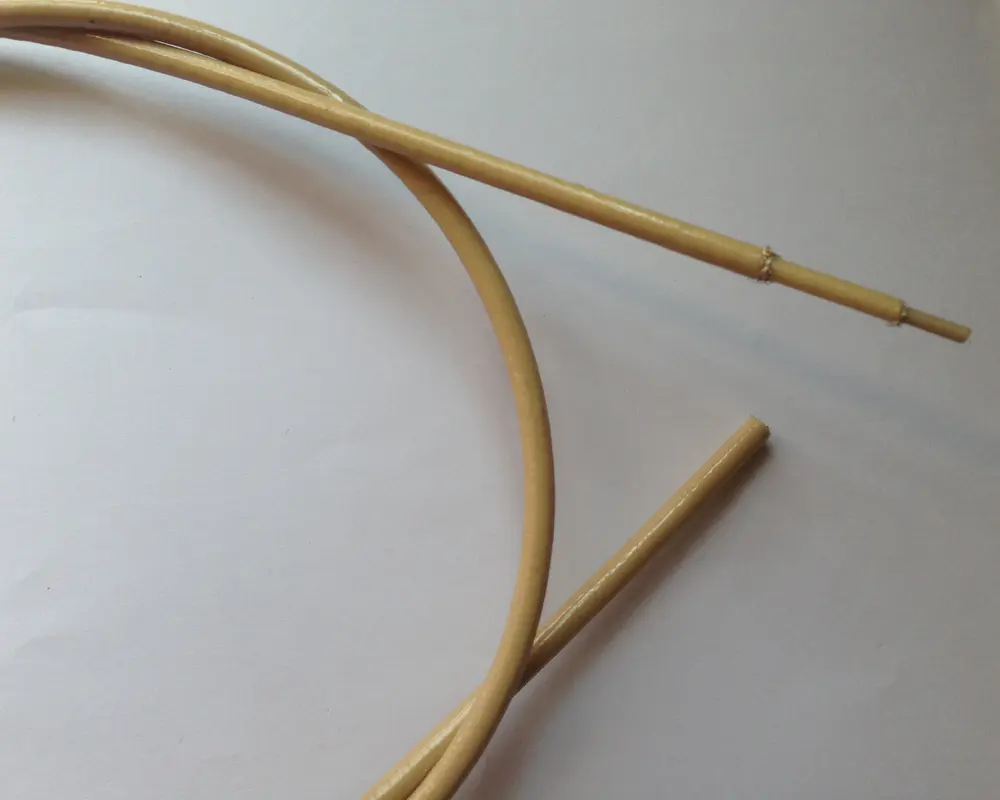
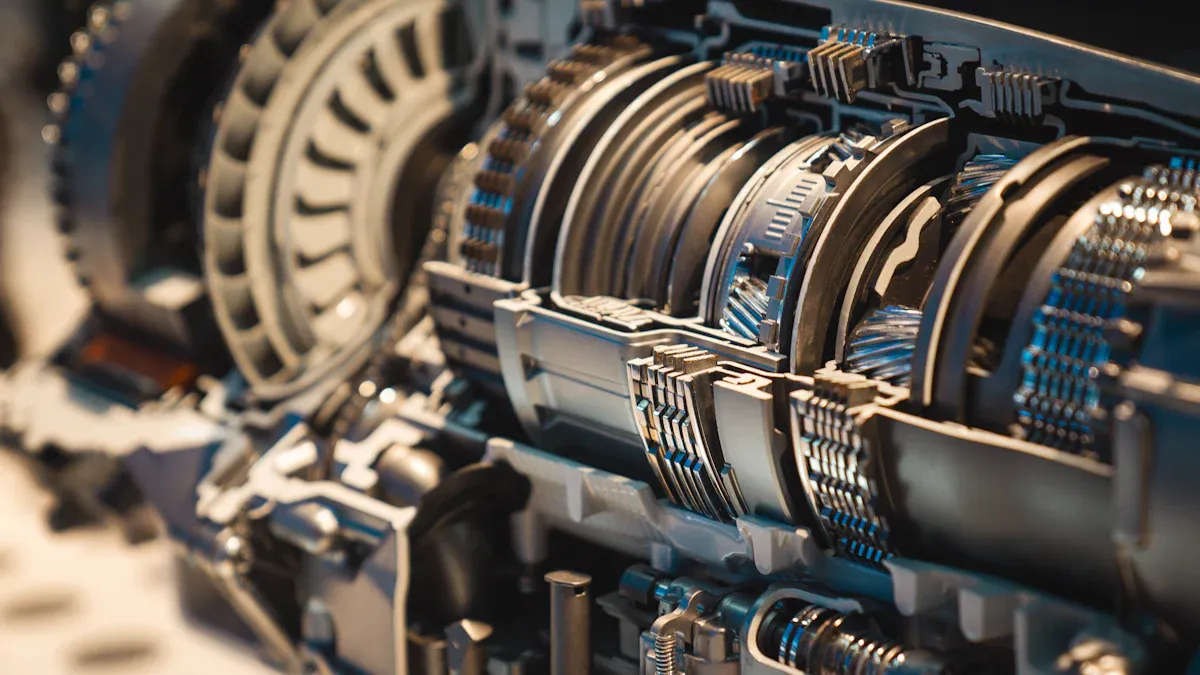
Le choix du câblage de transmission exige une évaluation immédiate de trois facteurs techniques critiques : l’étanchéité interne des brins, les limites thermiques élevées et la résistance chimique aux fluides de transmission agressifs. La capillarité force le fluide de transmission automatique chaud à travers les brins de cuivre non traités. Cette imprégnation constante du fluide entraîne l’huile directement dans les calculateurs électroniques (ECU) et les capteurs critiques du groupe motopropulseur, provoquant de graves courts-circuits et des défaillances de composants. La mise en œuvre de câbles haute performance est essentielle. Câble anti-capillaire La conception de ces conducteurs empêche toute migration de fluide le long de l'âme du conducteur. En choisissant des conducteurs scellés avec des composés hydrofuges continus, vous protégez efficacement les composants électroniques sensibles de votre véhicule. Un choix judicieux des câbles préserve la précision du signal et garantit la fiabilité du système de transmission sur le long terme. Points clés à retenirLes fils anti-capillarité empêchent le liquide de transmission chaud d'endommager les composants électroniques de votre véhicule.Les graisses sans silicone protègent les contacts électriques sensibles des dommages chimiques dangereux.L'isolation robuste en fluoropolymère résiste aux températures extrêmes jusqu'à 180 °C et aux fortes vibrations.La conception spéciale des fils permet un sertissage sûr des bornes sans perte d'étanchéité. Évaluer les technologies de blocage pour les options de câbles anti-capillairesProduits de remplissage de graisse à base de silicone ou sans siliconeLes mastics silicones traditionnels présentent des risques opérationnels importants lorsqu'ils sont utilisés dans les faisceaux de câbles des transmissions automobiles modernes. Les graisses à base de silicone présentes dans les faisceaux de câbles engendrent des problèmes de contamination persistants dus à la migration continue d'huile, aux siloxanes de faible masse moléculaire et aux résidus de transfert. Ces contaminants migrent et dégradent les contacts électriques, l'adhérence du revêtement de protection, la qualité de la liaison de surface et la fiabilité globale du module. Dans les calculateurs électroniques (ECU), la graisse diélectrique silicone forme des films isolants sur les borniers et les connecteurs. Ces films provoquent des coupures de signal aléatoires et emprisonnent des particules de carbone ou de poussière indésirables après un arc électrique.En choisissant des composés anti-fluides sans silicone de pointe, vous éliminez les risques de dégradation chimique importante. Des tests objectifs, réalisés conformément à la norme IPC-TM-650 2.6.25, prouvent que la graisse silicone sur les contacts des connecteurs augmente considérablement la résistance de contact (de 320 à 420 %). Cette forte augmentation entraîne une chute de tension significative, un échauffement localisé important et des déconnexions imprévisibles dans les circuits basse tension. De plus, les tests UL 746C démontrent que la graisse silicone à base de PDMS provoque un gonflement des boîtiers en plastique ABS de 12,4 à 18,7 %, compromettant ainsi la tenue de l'enclenchement au fil du temps. L'intégration d'un câble anti-capillaire haute performance, fabriqué à partir de composés sans silicone, protège les interfaces électriques critiques et les boîtiers des modules en plastique contre toute contamination chimique destructrice. Étanchéité du noyau du brin sous pressionDes composés de remplissage graisseux éliminent les microcapillarités entre les brins de cuivre du faisceau conducteur. Ces matériaux bloquants à haute viscosité sont injectés en continu par les fabricants lors du regroupement des brins. Ce composé non durcissant remplit tous les interstices internes sur toute la longueur du câble. Cette barrière interne continue empêche le fluide de transmission automatique sous pression de migrer par capillarité. Vous bloquez ainsi efficacement la progression du fluide à la source, avant même que l'huile n'atteigne vos capteurs ou connecteurs de calculateur.Un câble anti-capillaire haut de gamme assure une étanchéité interne totale des brins sans compromettre la flexibilité essentielle du faisceau lors de l'installation. Le lubrifiant spécial se répartit uniformément entre les fils de cuivre lors des flexions serrées, évitant ainsi les fissures, les défaillances structurelles et le décollement du mastic. Vous bénéficiez d'une protection continue contre les fluides sous haute pression hydraulique tout en préservant la flexibilité optimale des câbles. Cette robustesse mécanique permet un passage aisé du faisceau à travers les carters de transmission complexes sans compromettre l'étanchéité interne. Sélectionner des matériaux d'isolation résistants aux fluides Performances des fluoropolymères dans les environnements ATFL'huile de transmission automatique détériore rapidement l'isolation des câbles en PVC standard lors d'un contact prolongé avec le fluide. Il est impératif d'éviter l'utilisation de câbles en PVC standard à l'intérieur des carters de transmission, car l'huile chaude provoque un ramollissement important du matériau et une dégradation chimique. Pour prévenir efficacement la dégradation des câbles, il est recommandé d'opter pour des matériaux haute performance compatibles avec le fluide. Le choix d'une isolation en fluoropolymère garantit une excellente compatibilité chimique à long terme avec les fluides synthétiques agressifs.L'isolation en fluoropolymère offre une rigidité diélectrique et une résistance d'isolation nettement supérieures à celles des isolations standard en polyéthylène ou en PVC. Ces câbles spécialisés permettent également une atténuation du signal plus faible au sein des faisceaux de câbles de transmission complexes. Il est essentiel de choisir la variante de fluoropolymère adaptée à votre environnement fluide spécifique.Type fluoropolymèrePlage de températureCompatibilité des fluidesPFA-40°C à +250°CExcellente résistance aux produits chimiques et aux hydrocarburesFEP-40 °C à +200 °CBonne résistance à l'huilePTFE-100°C à +260°CExcellente résistance aux produits chimiques et aux hydrocarburesETFE-40°C à +150°Cgaine résistante à l'huileDe plus, l'ETFE réticulé, d'une grande robustesse mécanique, présente une résistance exceptionnelle aux carburants et aux huiles lubrifiantes. Il réussit avec succès des tests de contrainte physique rigoureux, allant d'un test de pliage à froid à -65 °C à un vieillissement thermique extrême à 300 °C pendant 7 heures, sans dégradation de l'isolation. Capacités d'isolation du polyéthylène réticuléLe polyéthylène réticulé constitue une autre option d'isolation très performante pour les systèmes de câblage de transport d'énergie modernes. Il peut être utilisé en continu à 90 °C et ponctuellement à 135 °C, voire plus. Le polyéthylène réticulé offre une excellente résistance aux acides, aux bases, aux solvants et aux huiles, permettant une installation sûre dans les environnements de câbles exposés aux fluides, sans nécessiter de coûteux revêtements de protection externes.Ce matériau durable résiste à l'oxydation environnementale, aux variations de température et aux rayons ultraviolets, même après de longs cycles de service. Le polyéthylène réticulé ne se décompose ni ne se carbonise en dessous de 200 °C, même à haute température. De plus, sa durée de vie thermique est estimée à environ 40 ans. Vous bénéficiez ainsi d'une isolation fiable et durable, d'une protection chimique efficace et de propriétés électriques stables tout au long de la durée de vie de votre faisceau de câbles de transmission. Évaluer les limites de durabilité thermique et mécanique Limites de température élevée continueLes carters de transmission modernes génèrent d'importantes contraintes thermiques internes lors d'un fonctionnement prolongé à forte sollicitation. Il est impératif de choisir un câblage interne spécialisé capable de résister à des températures de fonctionnement continues comprises entre 150 °C et 180 °C sans dégradation thermique. Les profils de performance automobile, tels que les normes de classe EXRAD 180B, définissent des exigences strictes en matière de résistance thermique pour ces environnements fluides agressifs. Les conducteurs conçus selon les normes EXRAD 180B conservent leur rigidité diélectrique et leur intégrité mécanique optimales sous contrainte thermique continue à l'intérieur des carters de transmission remplis d'huile. Une résistance thermique adéquate empêche la dégradation des conducteurs sous le couple moteur maximal.Les températures de fonctionnement élevées accélèrent l'oxydation chimique et le durcissement rapide des polymères isolants de qualité inférieure. Les isolants de câblage conventionnels deviennent cassants et se fissurent lorsqu'ils sont exposés à l'huile de transmission automatique chaude lors de longs cycles de conduite. Les matériaux réticulés haute performance résistent à l'immersion dans l'huile chaude tout en conservant leur élasticité physique à des températures élevées. Le choix de conducteurs résistants à la chaleur élimine les risques de dégradation thermique et préserve la fiabilité du transfert du signal vers les capteurs sensibles du groupe motopropulseur. En optant pour des matériaux adaptés aux cycles thermiques extrêmes, vous évitez les remplacements coûteux de faisceaux de câbles. Résistance aux vibrations dynamiques et à la flexionLes ensembles de transmission soumettent les faisceaux de câbles internes à des vibrations mécaniques multiaxiales continues. Ces vibrations intenses engendrent des contraintes mécaniques importantes sur les brins de cuivre conducteurs et les joints d'étanchéité internes. Les câbles haute performance utilisent un câblage concentrique à brins fins en cuivre afin d'optimiser leur durée de vie en flexion. Cette géométrie compacte répartit uniformément la fatigue en flexion sur tous les brins conducteurs lors du fonctionnement intensif de la transmission. Un choix judicieux du câblage prévient la fatigue du métal et la rupture des conducteurs dans les zones du moteur soumises à de fortes vibrations.La géométrie uniforme des brins empêche le déplacement ou la séparation des composés d'étanchéité internes sous l'effet des mouvements dynamiques. Les conducteurs grossiers classiques créent des concentrations de contraintes localisées qui perturbent l'uniformité du joint d'étanchéité interne lors de fortes vibrations. Le fin câblage concentrique maintient des espaces interstitiels uniformes dans tout le faisceau de cuivre, retenant fermement la graisse d'étanchéité non durcissante à l'intérieur du noyau. Vous garantissez une étanchéité continue sous pression et empêchez les remontées d'huile, même en cas de fortes flexions dynamiques. Un remplissage optimal du noyau garantit un blocage capillaire total pendant des millions de cycles de vibration. Assurer la compatibilité de fabrication et de terminaison des faisceaux de câblesIntégrité du sertissage des bornes avec fil de transmission résistant aux fluidesLa fabrication en grande série de faisceaux de câbles exige des performances mécaniques constantes lors des opérations de sertissage automatisées des bornes. Sous l'effet d'une forte pression radiale lors du sertissage, le composé interne non durcissant des conducteurs étanches se déplace nettement hors des zones de contact électrique primaires. On obtient ainsi un contact métal-métal direct entre les brins de cuivre nus et les corps des bornes des connecteurs, sans que des films de graisse emprisonnés n'interfèrent avec le flux d'électrons. Ce déplacement physique complet du composé garantit une résistance de contact exceptionnellement faible pour chaque connexion électrique.Le choix d'une géométrie d'outil de sertissage appropriée préserve l'intégrité structurelle du câble tout en maintenant l'étanchéité du fluide directement derrière la zone de serrage de la borne. Les matrices de sertissage standard compactent solidement les brins de cuivre tout en laissant intacts les produits d'étanchéité non durcissants à l'intérieur des sections de câble non comprimées. Vous éliminez les chutes de tension erratiques, prévenez la surchauffe localisée des bornes et évitez les défaillances par arrachement mécanique en utilisant des matrices d'application validées et conçues spécifiquement pour Câble de transmission résistant aux fluides sur des chaînes de production de harnais très actives. Efficacité du dénudage et de la manutention automatisésLes équipements modernes de traitement automatisé des câbles à grande vitesse coupent et dénudent proprement les câbles anti-capillaires spécialisés, sans encrasser les lames de dénudage de précision. Les composés de graisse internes cohésifs restent fermement emprisonnés dans les espaces entre les brins lors des cycles rapides de dégainage mécanique. Vous maintenez un débit de production constant car les scellants d'âme non durcissants empêchent le transfert de résidus collants sur les lames de coupe automatisées, les rouleaux d'entraînement, les courroies d'entraînement ou les guides d'indexage mécaniques.Le dénudage précis de l'isolant garantit des extrémités de fils impeccables, prêtes pour le soudage ultrasonique automatisé, l'épissure ou le raccordement de cosses. Les composés internes non durcissants maintiennent fermement chaque brin de cuivre fin lors des opérations de dénudage mécanique à grande vitesse. Cette stabilité accrue du noyau empêche l'écartement des brins externes, élimine la déformation géométrique des extrémités de fils et minimise les rebuts coûteux. Vous optimisez ainsi l'efficacité globale de la production tout en préservant l'étanchéité interne lors de l'assemblage complet des faisceaux de câbles pour transmissions automatiques. Vous devez exécuter une liste de contrôle de vérification technique finale rigoureuse avant de spécifier le câblage de vos transmissions hautes performances :Vérifier la compatibilité du fluide avec les huiles de transmission synthétiques agressives.Vérifier que les valeurs de résistance thermique sont compatibles avec les températures de fonctionnement continu maximales.Choisir des composés de blocage internes sans silicone et non durcissants.Tester l'intégrité mécanique du sertissage des bornes et la résistance électrique des contacts.Vous devez valider les performances du joint d'étanchéité dynamique sous des pressions de fonctionnement moteur simulées. Ce test de pression crucial vérifie que les garnitures d'obturation internes empêchent les remontées d'huile sous forte contrainte hydraulique. Le choix de calibres de fil appropriés, comme Câble anti-capillaire 14AWG 16AWG assure une alimentation électrique fiable à courant élevé tout en maintenant une étanchéité totale sur l'ensemble du faisceau de câbles de votre groupe motopropulseur. FAQComment le câblage anti-capillaire empêche-t-il le liquide de pénétrer par capillarité dans les calculateurs de transmission ?Le câblage anti-capillaire utilise des composés bloquants non durcissants et continus à l'intérieur du conducteur. Ces composés comblent chaque interstice microscopique entre les brins de cuivre. La barrière interne empêche le fluide de transmission chaud de migrer le long du câble sous pression hydraulique, protégeant ainsi les calculateurs électroniques situés en aval.Pourquoi privilégier les mastics sans silicone aux graisses silicones ?La graisse silicone migre sur les contacts électriques et augmente considérablement la résistance de contact, conformément à la norme de test IPC-TM-650 2.6.25. Les composés sans silicone préviennent la contamination des contacts, éliminent les coupures de signal intempestives et protègent les boîtiers des modules en plastique contre la dégradation chimique lors d'un fonctionnement prolongé.Quels matériaux isolants offrent les meilleures performances dans les environnements fluides des transmissions automatiques ?Les fluoropolymères comme le PFA, le FEP et l'ETFE réticulé offrent une résistance chimique exceptionnelle à l'intérieur des carters de transmission. Le polyéthylène réticulé assure également une excellente résistance aux huiles. Ces matériaux d'isolation spécialisés préservent l'intégrité structurelle sous des températures de fonctionnement continues allant jusqu'à 180 °C.L'utilisation d'un mastic d'étanchéité non durcissant pour le noyau a-t-elle une incidence sur la fiabilité du sertissage des bornes ?Non. La force radiale appliquée lors du sertissage automatisé des bornes élimine complètement le composé non durcissant des zones de contact principales. On obtient ainsi un contact métal-métal direct entre les brins de cuivre nus et les corps des bornes du connecteur, ce qui garantit une faible résistance électrique et une excellente tenue mécanique.
EN SAVOIR PLUS


 Réseau IPv6 pris en charge